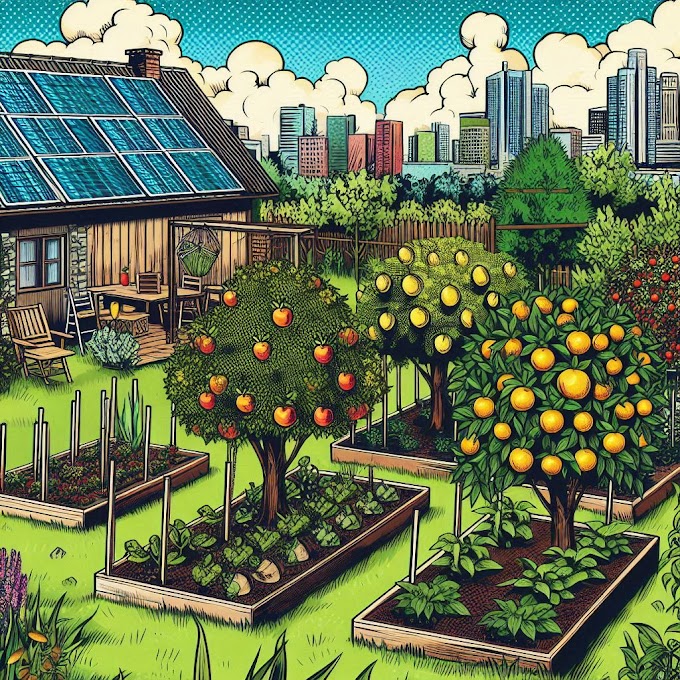
Create Your Serene Oasis: How to Create a Tranquil Garden
Imagine walking through your backyard and suddenly feeling like you've stepped into another world.
A waterfall tumbles over stone nearby.
Water moves gently through a fountain.
Huge ferns rise beneath the trees.
Broad leaves overlap one another in layers of green.
Tall lemongrass sways in the breeze.
A tree leans gracefully over a garden path, creating a natural canopy.
You can't see the entire garden from where you're standing because the plants are layered, the paths curve, and little pockets of greenery reveal themselves one at a time.
That is the kind of garden we're talking about.
A truly tranquil garden doesn't have to be sparse, minimalist, or perfectly manicured.
It can be lush, wild, dramatic, tropical, fragrant, shady, and full of movement.
The secret is creating a garden that engages the senses while giving the eye places to rest.
Think water, foliage, texture, height, shade, sound, fragrance, and mystery.
And the best part?
You can create this feeling in a large backyard or adapt the ideas to a much smaller space.
Start With the Feeling, Not the Plants
Before you buy anything, decide how you want the garden to feel.
Do you want it to feel:
- Tropical?
- Wild?
- Jungle-like?
- Romantic?
- Cool and shady?
- Secretive?
- Lush and abundant?
- Like a hidden retreat?
- Like a garden from another world?
Choose a feeling first.
Then choose plants and features that create it.
This prevents the classic gardening problem of buying twenty beautiful plants and discovering that they all want completely different conditions. 😂
Build the Garden in Layers
One of the easiest ways to make a garden feel lush is to stop thinking about plants as individual objects.
Instead, think in layers.
A lush garden might have:
Upper layer: Trees and tall palms
Canopy layer: Large shrubs and smaller trees
Middle layer: Large-leaf plants, flowering plants, grasses, and tall perennials
Lower layer: Ferns, groundcovers, herbs, and shade-loving plants
Ground layer: Moss, stones, mulch, fallen leaves, or low-growing plants
This creates depth.
Instead of seeing a flat row of plants, you see overlapping textures and heights.
Let the Trees Become Part of the Architecture
Trees don't have to stand perfectly upright like garden furniture.
A large tree with a naturally leaning trunk can become one of the most beautiful features in an oasis garden.
A leaning tree can:
- Frame a pathway
- Create shade
- Form a natural canopy
- Give the garden a woodland feeling
- Create a dramatic focal point
- Provide habitat for wildlife
- Make the landscape feel older and more established
Never deliberately destabilize or damage a healthy tree to create this effect.
Instead, work with trees that naturally have interesting forms.
And before planting any large tree, research its mature size, root behavior, growth habit, and suitability for your property.
The tiny tree at the nursery is only the beginning of the story.
Go Big With Ferns
If you want your garden to feel like a secret jungle, ferns are your friends.
And we're not talking about one sad little fern sitting in a pot.
Think layers of foliage.
Depending on your climate, consider large fern species that can create dramatic height and texture.
Tree ferns can create an incredible canopy effect in suitable climates.
Giant sword ferns and other large-growing ferns can fill shady areas.
Smaller ferns can soften pathways and fill spaces beneath larger plants.
The result is a garden floor that feels deep, green, and almost prehistoric.
Create a Fern Valley
Plant larger ferns toward the back.
Place medium-sized varieties through the middle.
Use smaller shade-loving plants toward the front.
Add stones, logs, or natural-looking edging between the planting areas.
You can create the feeling of a woodland ravine even in a relatively small garden.
Embrace Giant Leaves
Nothing says lush quite like enormous leaves.
Depending on your climate, consider plants such as:
- Elephant ears
- Colocasia
- Alocasia
- Banana plants
- Canna
- Ginger
- Bird of paradise
- Large-leaf tropical plants
- Castor bean where appropriate and safely managed
Big leaves create drama without requiring flowers.
They also add fantastic texture because each plant catches light differently.
Imagine sunlight moving across huge elephant ear leaves while water trickles nearby.
Now we're getting somewhere. 🌿
Layer Different Leaf Shapes
Don't plant an entire garden with one type of leaf.
Combine:
- Giant round leaves
- Long strap-like leaves
- Feathery foliage
- Fern fronds
- Grass blades
- Broad tropical leaves
- Fine-textured shrubs
The contrast makes the garden feel richer.
Create a Lemongrass Border
Lemongrass is one of those plants that can be both useful and beautiful.
Its tall, arching foliage creates movement and a soft visual boundary.
Plant sections of lemongrass along:
- Pathways
- Garden edges
- Patio borders
- Vegetable garden transitions
- Tropical garden beds
It can help create the feeling of separate garden rooms without installing a fence.
And then there's the bonus:
You can harvest it for cooking and beverages.
Just make sure the species you're planting is appropriate for your region and manage its spread where necessary.
Make Water the Heart of the Garden
If you want a garden to feel tranquil, water can completely change the atmosphere.
You don't need a huge pond.
Even a small water feature can provide movement and sound.
But if you have the space and budget?
Go bigger.
Waterfalls
A waterfall can become the centerpiece of an oasis garden.
It doesn't have to look formal.
A naturalistic waterfall can be built using:
- Large rocks
- Smaller stones
- Gravel
- Aquatic plants
- Ferns
- Moss
- Moisture-loving plants
Let the water disappear between rocks and reappear lower down.
The goal is to make the feature feel like it belongs in the landscape.
Bubbling Fountains
A bubbling urn or stone fountain can provide water movement without requiring a large pond.
These are especially useful in smaller yards.
Place one among lush foliage and it can feel much more substantial than the feature itself actually is.
Pondless Waterfalls
A pondless waterfall can be an excellent option if you love the sound and movement of falling water but don't want an open pond.
Water circulates through a hidden reservoir and returns to the top of the feature.
This can create the visual and auditory effect of a waterfall while using less open water.
Always follow the installation and electrical safety requirements for your equipment.
Use Water to Create Garden Rooms
Don't put every feature in one spot.
Instead, let water help define different areas.
For example:
Entry Garden: Small bubbling fountain
Fern Garden: Gentle stream or waterfall
Patio: Small wall fountain
Back Garden: Larger pond or waterfall
This creates different experiences as you move through the landscape.
Create a Path That Makes You Slow Down
A straight sidewalk gets you somewhere.
A garden path should make you want to wander.
Use curves.
Let plants partially obscure the next section.
Create small openings.
Place a bench somewhere unexpected.
Allow the path to disappear behind a large fern or tree and reappear farther along.
Materials might include:
- Natural stone
- Gravel
- Brick
- Stepping stones
- Flagstone
- Mulch
- Wood elements suitable for outdoor use
A curved path creates mystery because you can't see the entire destination at once.
Hide Little Garden Spaces
One of the best tricks for creating an immersive garden is to make small spaces feel discovered.
Instead of one giant open lawn, create pockets.
A little reading bench.
A tiny fountain.
A hidden herb garden.
A shady fern corner.
A hammock beneath a tree.
A stone seat beside the waterfall.
A small table for tea.
You don't need to see everything from the back door.
Let the garden reveal itself.
Create a Canopy
A canopy instantly changes the feeling of an outdoor space.
You can create one naturally with:
- Large trees
- Palms
- Banana plants
- Vining plants on strong structures
- Pergolas
- Arbors
Layer tall plants beneath the canopy to create a cooler, more enclosed feeling.
Just be mindful of mature plant sizes and make sure structures are properly built to support climbing plants.
Add Fragrance
A tranquil garden shouldn't only be beautiful.
It should smell wonderful.
Place fragrant plants where you will actually encounter them.
Depending on your climate, consider:
- Jasmine
- Gardenia
- Roses
- Lavender
- Lemon verbena
- Rosemary
- Mint
- Citrus
- Honeysuckle
- Fragrant tropical flowers
Put fragrant plants near pathways and seating areas.
There's little point in growing a beautiful jasmine vine fifty feet away if you can never smell it.
Add Movement
Still gardens can be beautiful, but movement makes an oasis feel alive.
Think:
- Tall grasses swaying
- Fern fronds moving in the breeze
- Banana leaves fluttering
- Water flowing
- Butterflies moving between flowers
- Birds hopping through shrubs
- Wind chimes gently sounding
Movement creates a living landscape rather than a static display.
Invite Wildlife Into the Oasis
A tranquil garden becomes even more magical when wildlife starts treating it as home.
Plant for local birds, butterflies, bees, and other beneficial wildlife.
Include:
- Native flowering plants
- Berry-producing plants
- Seed-producing flowers
- Host plants for butterflies
- Dense shrubs
- Trees
- Water sources
Avoid relying entirely on ornamental plants that provide little ecological value.
A garden can be beautiful and useful at the same time.
Use Rocks and Stones Naturally
Large stones can make a garden feel established.
Instead of lining every flower bed with identical decorative rocks, place stones in ways that look more natural.
Try:
- One large stone beside a waterfall
- A group of rocks around a fern garden
- Stepping stones through foliage
- Small gravel areas
- Stone borders around water
- Rocks partially buried in planting beds
Partially burying larger stones can make them look as though they have been there for years.
Add Moss Where Conditions Allow
Moss can create an incredibly soft woodland feeling.
It generally prefers particular combinations of moisture, shade, surface, and climate.
If your conditions support it, allow moss to naturally colonize suitable stones, logs, and shaded areas.
Don't assume every garden needs moss.
In a hot, dry climate, trying to force a moss garden may become a battle you never asked for.
Work with your environment.
Create a Tropical Feeling Without Living in the Tropics
You don't necessarily need a tropical climate to create a lush garden atmosphere.
Use plants that can tolerate your local conditions while emphasizing:
- Large leaves
- Layered foliage
- Tall grasses
- Ferns
- Bold textures
- Dense planting
- Water features
- Natural stone
- Curved pathways
In colder climates, some tropical-looking plants can be grown as annuals or moved into protected spaces depending on the species.
The goal is to capture the feeling, not necessarily recreate a tropical ecosystem.
Make Space for Edible Plants
Your oasis can feed you too.
Work edible plants into ornamental beds.
Try:
- Lemongrass
- Mint
- Rosemary
- Basil
- Ginger
- Turmeric
- Citrus
- Figs
- Blueberries
- Strawberries
- Edible flowers
- Culinary herbs
Use containers for plants that need different growing conditions.
This creates an edible landscape rather than separating every useful plant into a traditional vegetable garden.
Create a Secret Garden Entrance
Want to make the garden feel like another world?
Give it an entrance.
Try:
- An arbor
- A garden gate
- A vine-covered trellis
- Tall plants framing the walkway
- A curved path
- Two large trees creating a natural doorway
The entrance doesn't need to be elaborate.
The psychological effect of passing through an opening into a different space is what matters.
Use Lighting Carefully
A lush garden can become magical after dark.
Use low, subtle lighting to highlight:
- Trees
- Waterfalls
- Pathways
- Sculptural plants
- Stone features
- Seating areas
Avoid lighting everything equally.
Darkness is part of the design.
A softly illuminated waterfall surrounded by dark foliage can be far more beautiful than a backyard flooded with bright lights.
Warm, low-level lighting can help preserve the relaxed feeling while also improving visibility along paths.
Don't Forget the Practical Stuff
A beautiful oasis still needs to function.
Make sure:
- Paths are safe to walk on
- Water features are maintained
- Electrical components are installed safely
- Drainage is considered
- Plants have enough space
- Large trees are planted away from structures and utilities
- Irrigation reaches the plants that need it
- Seating is stable
- Slippery surfaces are managed
- Fallen leaves don't block drains or pathways
Beauty is wonderful.
Beauty that doesn't require constant emergency repairs is even better.
Design for Maintenance
Before adding another gorgeous plant, ask yourself:
How much work will this create?
A garden can become overwhelming surprisingly fast.
Group plants according to similar water and light requirements.
Use mulch where appropriate.
Choose plants suited to your climate.
Allow enough space for mature growth.
Don't plant everything shoulder-to-shoulder.
And remember that some plants spread aggressively in certain regions.
Research before planting.
Let the Garden Change Over Time
One of the most beautiful things about a garden is that it is never finished.
Plants grow.
Trees mature.
Paths become softer.
Flowers reseed.
Birds discover the garden.
You discover which plants thrive and which ones clearly did not get the memo.
The garden changes with you.
Don't feel like you have to complete everything in one season.
Start with one area.
Build the waterfall.
Plant the fern garden.
Create the path.
Add the lemongrass.
Then let the garden grow.
A Simple Oasis Garden Plan
If you're starting from scratch, try building your oasis in layers.
Layer One: Structure
Begin with:
- Trees
- Large shrubs
- Pergolas
- Arbors
- Fences
- Major water features
Layer Two: Drama
Add:
- Giant-leaf plants
- Large ferns
- Palms where appropriate
- Tall grasses
- Bold flowering plants
Layer Three: Texture
Add:
- Smaller ferns
- Groundcovers
- Herbs
- Moss where appropriate
- Stones
- Mulch
Layer Four: Experience
Finish with:
- Seating
- Pathways
- Lighting
- Fragrance
- Water sounds
- Wildlife habitat
- Personal touches
This approach helps the garden feel layered rather than randomly planted.
Your Oasis Doesn't Have to Be Perfect
A truly tranquil garden doesn't look like a showroom.
It has fallen leaves.
It has plants growing into the path.
It has a few imperfect stones.
It has flowers that bloom at different times.
It has insects.
It has birds.
It has weathered wood.
It changes with the seasons.
And sometimes the biggest tree drops approximately twelve million leaves directly onto the pathway you just swept.
That's gardening. 😂
The goal isn't perfection.
The goal is atmosphere.
Create Somewhere You Want to Escape To
Your garden can be more than a collection of plants.
It can become a place you go when you need a break.
A place for morning coffee.
A place to read.
A place to listen to rain.
A place to harvest herbs.
A place to watch butterflies.
A place to sit beside the waterfall.
A place to cool down beneath giant leaves on a hot afternoon.
A place to watch the moon rise through the branches of a leaning tree.
A place where the outside world feels a little farther away.
You don't have to build a resort.
You don't need acres of land.
You don't need every plant to be exotic.
Start with one tree, one path, one beautiful plant, and one place to sit.
Then add layers.
Add water.
Add texture.
Add fragrance.
Add movement.
Let the garden grow around you.
Before long, you may step outside and realize you've created something much more valuable than a pretty backyard.
You've created your own little oasis. 🌿💧🌴
Practical Gardening Note
The plants and water features that work in an oasis garden vary greatly by climate, soil, rainfall, humidity, winter temperatures, and available space. Large-leaf tropical plants, tree ferns, palms, lemongrass, and other lush plants may be perennial in some regions but seasonal or container-grown in others. Choose species suited to your growing conditions, and research mature size and spread before planting. Water features also require appropriate drainage, maintenance, electrical safety, and mosquito management where applicable.