🌿
Herbal Magic in Wicca: A Guide to Magical Herbs and Plant Correspondences
There is something wonderfully witchy about working with plants.
A sprig of rosemary from the garden. Lavender tucked into a little sachet. Rose petals scattered across an altar. A cup of herbal tea warming your hands while you sit beneath the moon.
Plants have long been part of human traditions surrounding food, medicine, ceremony, folklore, beauty, and spirituality. In modern witchcraft and Wicca, herbs are also commonly used as symbols and correspondences in rituals, spellwork, meditation, seasonal celebrations, and magical practices.
Herbal magic doesn't have to mean having a cabinet packed with mysterious jars.
It can begin with something as simple as learning the folklore and traditional symbolism associated with the plants growing around you.
🌿 What Is Herbal Magic?
Herbal magic is the practice of incorporating plants, herbs, flowers, seeds, roots, and other botanical materials into spiritual or magical practices.
A witch might choose an herb because of its traditional correspondence, its scent, its appearance, its connection to a particular season, or its personal meaning.
For example, rosemary is often associated with protection and remembrance.
Lavender is commonly connected with peace, purification, and relaxation.
Rose is associated with love, beauty, affection, and emotional symbolism.
The plant becomes part of the ritual language.
That doesn't mean the herb has to be viewed as having a scientifically proven supernatural effect.
Magical correspondences are part of symbolic and spiritual traditions, and different cultures and magical systems may assign different meanings to the same plant.
That variety is part of the fun.
🕯️ Magical Herb Correspondences
Here are several herbs and plants commonly encountered in modern witchcraft.
💜 Lavender
Lavender is often associated with:
- Peace
- Calm
- Purification
- Sleep
- Love
- Meditation
- Emotional soothing
Its fragrance makes it especially popular in sachets, bath rituals, altar arrangements, and relaxation practices.
You can place dried lavender in a small fabric sachet for a symbolic meditation or bedtime ritual.
🌿 Rosemary
Rosemary has a long history of culinary, medicinal, cultural, and ceremonial use.
In magical traditions, it is commonly associated with:
- Protection
- Remembrance
- Purification
- Clarity
- Strength
- Memory
A sprig of rosemary can be placed on an altar or incorporated into seasonal decorations.
It is also a wonderful herb to grow yourself.
There's something particularly satisfying about walking outside, snipping a sprig from your garden, and bringing it straight into your ritual space.
🌿 Sage
Sage has been associated with wisdom, purification, protection, and healing in various traditions.
However, sage is not one universal magical practice, and traditions surrounding smoke cleansing vary significantly.
White sage in particular has cultural and ceremonial significance for Indigenous peoples of North America. Commercial use of wild-harvested white sage has also raised concerns about overharvesting and cultural appropriation.
If you're looking for a simple household herb for your own practice, consider growing culinary sage or using another plant that has personal or regional significance.
You can also cleanse a space without smoke.
Open a window.
Ring a bell.
Use sound.
Tidy the room.
Light an appropriate candle.
Sprinkle fresh water.
Or simply state your intention.
Magic doesn't require a smoke machine. 😂
🌼 Chamomile
Chamomile is commonly associated in magical folklore with:
- Peace
- Prosperity
- Luck
- Love
- Calm
- Rest
Its cheerful flowers also make it a lovely addition to seasonal altars and botanical crafts.
Chamomile is widely used as an herbal tea, but medicinal herbs can interact with medications and may not be appropriate for everyone. Treat herbal preparations as real botanicals, not automatically harmless magical ingredients.
🌱 Peppermint
Peppermint is often associated with:
- Energy
- Refreshment
- Clarity
- Prosperity
- Healing
- Protection
Its strong scent makes it useful in symbolic practices involving freshness and mental clarity.
Fresh peppermint can also be grown easily in containers, which makes it a fun plant for a witch's garden.
Just remember that mint spreads aggressively.
Your tiny innocent-looking pot of mint has ambitions. 😂
🌹 Rose
Rose deserves a place in almost every witch's botanical cabinet.
It is commonly associated with:
- Love
- Beauty
- Compassion
- Friendship
- Self-love
- Emotional healing
- Passion
Rose petals can be used in altar decorations, sachets, seasonal crafts, ritual baths, and symbolic offerings.
And yes, your witchy garden is allowed to be ridiculously romantic.
🌿 Basil
Basil is commonly associated with:
- Prosperity
- Protection
- Love
- Success
- Abundance
- Good fortune
Because basil is also a wonderful culinary herb, it fits beautifully into kitchen witchcraft.
Grow it.
Cook with it.
Dry it.
Use it in seasonal meals.
A magical practice doesn't have to be separate from everyday life.
🌻 Sunflower
Sunflowers are often connected with:
- The sun
- Happiness
- Vitality
- Confidence
- Abundance
- Growth
They can be especially meaningful during summer and solar celebrations such as Litha.
A sunflower on an altar can represent warmth, optimism, and the energy of the sun.
🔮 Choosing Herbs for Magical Work
When selecting an herb, consider more than a correspondence chart.
Ask yourself:
What does this plant mean to me?
Maybe rosemary reminds you of your grandmother's garden.
Maybe lavender reminds you of summer.
Maybe mint represents abundance because it grows everywhere in your yard.
Maybe roses remind you of someone you love.
Personal symbolism can become just as meaningful as traditional correspondence.
You can also consider:
- The plant's folklore
- Its season
- Its color
- Its scent
- Where it grows
- Its cultural history
- Your personal memories
- Your magical tradition
This makes herbal practice more thoughtful and much more personal.
🧺 Herbal Sachets
One of the simplest forms of herbal magic is a sachet.
Choose a small fabric bag and fill it with dried herbs associated with your intention.
For example:
Peace: Lavender and chamomile.
Love: Rose petals.
Protection: Rosemary and bay.
Prosperity: Basil and cinnamon.
Keep the sachet on an altar, beside your journal, in a sacred space, or somewhere else appropriate.
You can also create seasonal sachets using herbs connected to the current Sabbat.
🛁 Herbal Baths
Herbal baths are another popular form of magical practice.
The simplest approach is to place suitable herbs inside a reusable muslin bag or tea bag and steep them in the bathwater.
However, not every herb is safe for skin contact.
Some plants can cause irritation or allergic reactions, and certain essential oils can be especially irritating when added directly to bathwater.
Avoid assuming that because an herb is edible, it is automatically safe for bathing.
Research the specific plant first.
And keep herbs away from sensitive areas.
A beautiful alternative is to place dried herbs around the bathroom or near the tub rather than directly in the water.
The atmosphere can still be wonderfully witchy.
🍵 Herbal Tea & Kitchen Witchcraft
Tea can become a simple ritual of intention.
Choose an appropriate herbal tea, prepare it mindfully, and use the preparation as a moment to slow down.
Chamomile might accompany a quiet evening.
Peppermint might represent freshness and clarity.
Rose petals might symbolize love or self-compassion.
Ginger might represent warmth and vitality.
The important distinction is that magical symbolism and herbal medicine are two different things.
Don't choose an herb to treat a medical condition simply because a magical correspondence chart says it represents healing.
If you're using herbs medicinally, research their actual safety, possible interactions, dosage, and contraindications.
The cauldron may be magical.
Your body still has chemistry. 🧪🌿
🕯️ Herbs in Candle Magic
Herbs and candles often appear together in witchcraft.
A witch may choose an herb that corresponds with the intention of a candle ritual.
For example:
- Rose for love
- Rosemary for protection
- Basil for prosperity
- Lavender for peace
- Bay for wishes or success
However, be extremely careful about putting herbs directly onto a burning candle.
Dried herbs are flammable.
Loose plant material can ignite quickly, travel through a flame, or create unpredictable burning.
A safer approach is to place herbs around the candle at a reasonable distance or keep them in a separate dish as part of the altar.
Pretty is good.
Fire department visits are less enchanting.
🌿 Herbal Incense & Smoke Cleansing
Burning herbs has a long history across different cultures and spiritual traditions.
But smoke isn't automatically safe simply because something is natural.
Burning plant material creates smoke and particulate matter that can irritate the lungs and worsen indoor air quality.
If you use incense or smoke cleansing, ventilate the space appropriately and avoid it around people or animals who are sensitive to smoke.
You can also create a smoke-free cleansing ritual.
Try:
- Bells
- Music
- Clapping
- Fresh air
- Prayer
- Visualization
- Water symbolism
- A broom or besom
- Decluttering and cleaning
Sometimes physically cleaning the room is the most effective cleansing ritual of all.
🌙 Herbal Magic & the Moon
Plants and lunar symbolism make a natural pairing for many modern witches.
You might create a moon garden, keep a lunar herb journal, or choose plants according to the season and moon phase.
🌑 New Moon
Focus on planting symbolic intentions.
Choose seeds or herbs that represent something you want to nurture.
🌕 Full Moon
Use flowers, herbs, and botanical arrangements as part of a reflective ritual.
You might write down what has grown in your life since the previous new moon.
🌘 Waning Moon
Choose herbs associated with release, clearing, or protection.
Use the ritual as an opportunity to reflect on what you want to stop carrying.
The moon doesn't have to be treated as a magical command center.
It can simply provide a beautiful rhythm for your practice.
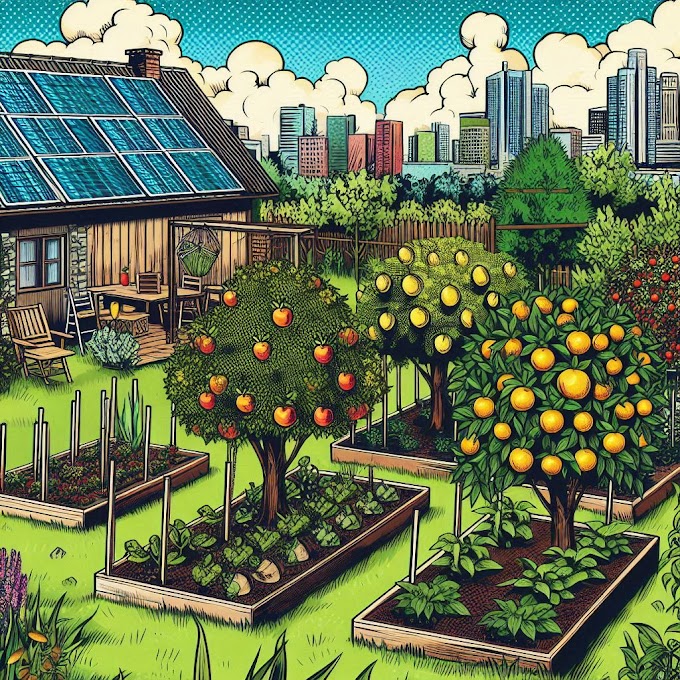
🌱 Creating a Witch's Herb Garden
You don't need a huge garden.
A few pots on a sunny windowsill or balcony can become a tiny magical herb garden.
Consider starting with:
- Rosemary
- Basil
- Mint
- Lavender
- Thyme
- Sage
- Lemon balm
- Chamomile
- Calendula
Choose plants that can actually thrive in your local growing conditions.
Some herbs prefer dry soil and bright sun.
Others prefer moisture or partial shade.
Mint can take over a garden bed.
Lavender may struggle in humid conditions.
Rosemary dislikes sitting in soggy soil.
The magical correspondence is only half the story.
The plant has to like where you live. 🌿
📜 The Folklore Behind the Herbs
One of the most fascinating parts of herbal magic is learning the stories attached to plants.
Before modern correspondence charts became widely available online, plants already had extensive histories involving folklore, medicine, food, religion, ceremony, superstition, and everyday life.
Research where a plant's symbolism comes from.
Ask:
- Which culture used it?
- During what historical period?
- Was it culinary, medicinal, ceremonial, or all three?
- How did its symbolism develop?
- Is the modern magical correspondence historically documented or a more recent tradition?
That extra layer of research can turn a basic herb list into something much more interesting.
You're no longer simply memorizing:
Rosemary = protection.
You're discovering why rosemary became associated with remembrance and protection in different traditions.
That's where herbal magic gets deliciously nerdy. 📚🌿
🖤 Building Your Herbal Grimoire
If you keep a Book of Shadows, grimoire, or witchcraft journal, create a botanical section.
Give each plant its own page.
Record:
Plant Name
Common name and, when useful, botanical name.
Magical Correspondences
Traditional symbolic associations.
Folklore
Stories, historical uses, and cultural traditions.
Growing Notes
Sun, soil, watering, climate, and harvest information.
Practical Uses
Culinary or craft uses that are appropriate for the plant.
Personal Meaning
Your own memories and associations.
Safety Notes
Important information about toxicity, allergies, pets, children, pregnancy, medications, skin contact, ingestion, and burning.
Over time, your grimoire becomes more than a collection of correspondence lists.
It becomes your own botanical field guide.
🌿 Herbal Magic Is About Relationship
The most meaningful herbal practice may not involve buying exotic ingredients online.
It might involve learning the plants already growing around you.
Grow something.
Harvest responsibly.
Dry a few leaves.
Learn its folklore.
Cook with it.
Watch how it changes through the seasons.
Notice the insects visiting its flowers.
Save seeds when appropriate.
Then bring a little of that relationship into your spiritual practice.
That is where herbal magic can become beautifully grounded.
You aren't simply assigning a magical meaning to a plant.
You're paying attention to a living part of the natural world.
🕯️ Herbal Magic Safety
Plants are powerful because they contain real chemical compounds. "Natural" does not automatically mean safe.
Before ingesting, applying, bathing with, or burning any herb, research the specific plant and its known risks. Some herbs can cause allergic reactions, interact with medications, be unsafe during pregnancy, harm pets, or become toxic at certain doses.
Never assume that an herb used in a magical tradition is safe to consume.
Never use an unidentified wild plant internally.
Use caution with essential oils, dried herbs, smoke, and open flames.
For food, tea, medicinal preparations, or other health-related uses, rely on current, reputable safety guidance rather than magical correspondence lists.
🌙
Herbal magic begins with something wonderfully simple:
Pay attention to the plants.
Learn their names.
Learn their stories.
Learn how they grow.
Learn what they symbolize.
Learn what they need from you.
Then decide what place they have in your spiritual practice.
A handful of lavender can become a symbol of peace.
A sprig of rosemary can represent remembrance.
A rose can become an emblem of love.
A garden can become a living altar.
And a single seed can remind you that some forms of magic take time.
You plant.
You nurture.
You wait.
And eventually, something begins to grow.