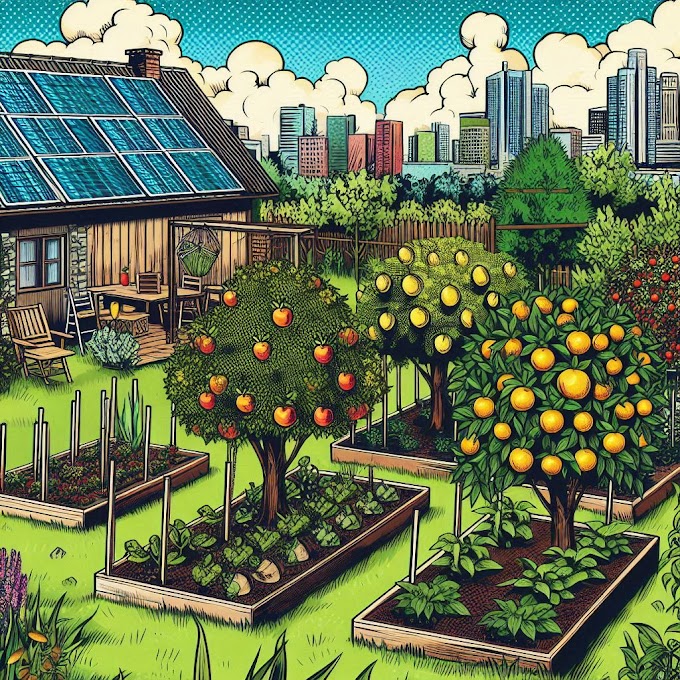
Survival Garden 101: Grow Your Own Food
In an unpredictable world, having a survival garden is not just a trend, it’s a lifeline. A survival garden ensures self-reliance, providing fresh, nutritious food in any crisis. Whether you're bracing for natural disasters, economic hardship, or just aiming for sustainable living, starting your own survival garden is one of the smartest moves you can make.
What is a Survival Garden?
A survival garden is a purpose-driven plot designed to grow high-yield, calorie-dense, and nutrient-rich crops that sustain you and your family long-term. Unlike ornamental or hobby gardens, every plant in a survival garden serves a critical function: feeding, healing, or preserving.
Step 1: Plan for Success
1. Assess Your Space
Urban Backyard: Utilize raised beds, vertical gardening, and container gardening.
Rural Homestead: Larger plots allow for crop rotation and livestock integration.
Tiny Spaces: Even a balcony can host herbs, leafy greens, and small fruiting plants.
2. Understand Your Climate
Research your growing zone to choose crops that thrive in your area. Focus on hardy plants that can withstand local weather fluctuations.
3. Prioritize Essentials
Grow crops that:
Provide high-calorie energy (potatoes, corn, beans).
Are easy to store and preserve (squash, carrots, onions).
Offer diverse nutrition (leafy greens, herbs, berries).
Step 2: Build Your Survival Garden
1. Choose Your Crops Wisely
Here’s a starter list:
Calorie Crops: Sweet potatoes, beans, corn, and pumpkins.
Fast Growers: Radishes, lettuce, spinach, and arugula.
Perennials: Asparagus, rhubarb, and fruit trees (apples, peaches).
Medicinal Herbs: Chamomile, echinacea, mint, and thyme.
2. Prepare the Soil
Healthy soil is the backbone of your garden. Add organic matter like compost, aged manure, or leaf mulch to enrich your soil and encourage strong growth.
3. Maximize Space
Companion Planting: Grow plants together that enhance each other’s growth (e.g., tomatoes with basil).
Vertical Gardening: Use trellises and supports for vining plants like cucumbers or pole beans.
Succession Planting: Stagger planting times to ensure continuous harvests.
Step 3: Maintain and Harvest
1. Water Smartly
Collect rainwater and use drip irrigation or soaker hoses for efficiency. Water deeply but less frequently to encourage strong roots.
2. Fight Pests Naturally
Use natural deterrents like neem oil or diatomaceous earth.
Encourage beneficial insects like ladybugs and bees by planting flowers like marigolds or sunflowers.
3. Rotate and Rest
Avoid planting the same crops in the same spot year after year. Crop rotation prevents soil depletion and reduces pests.
Step 4: Preserve Your Harvest
1. Canning and Pickling
Preserve surplus vegetables and fruits by canning or pickling. This ensures a year-round food supply.
2. Drying and Dehydrating
Dry herbs, fruits, and vegetables to store without refrigeration.
3. Freeze the Extras
Blanch and freeze vegetables like green beans and peas for long-term storage.
Step 5: Add Resilience
1. Save Your Seeds
Harvest seeds from non-hybrid plants to replant next season. Seed saving is a cornerstone of self-sufficiency.
2. Incorporate Livestock
If space permits, add chickens for eggs, goats for milk, or bees for honey. Livestock and gardens complement each other, providing natural fertilizer and enhancing biodiversity.
3. Keep It Diverse
Grow a mix of crops to hedge against failures. If one crop struggles, others can fill the gap.
The Benefits of a Survival Garden
1. Independence: You’re no longer entirely reliant on grocery stores.
2. Health: Fresh, organic produce directly impacts your well-being.
3. Savings: A productive garden can significantly reduce your food bills.
4. Skill-Building: Gardening is a life skill that grows your knowledge and resilience.
A survival garden is more than just a patch of vegetables, it’s peace of mind, a safety net, and a legacy of self-reliance. Whether you’re a seasoned gardener or a green-thumbed newbie, there’s no better time to start than now. Grow your lifeline and secure your future, one seed at a time.